#
Photography
Author: Parker Blain

Focused: Delilah Twersky

(1/)
Close
Delilah Twersky: And then there was, in this created being, the autonomous woman.

Delilah Twersky is a queer photographer currently based in NY who primarily shoots medium format film. In addition to her photography practice, Delilah writes poetry and short stories that push her visual work further.

Delilah’s work was on display at the 2019 ‘Every Woman Biennial’. She has been working on an ongoing body of work called, ‘And then there was, in this created being, the autonomous woman.’ This body of work is a journey of self-realisation of dependence and her experience with coming out as a queer woman.
SS
Delilah, I love your ongoing series on Autonomous Woman. Can you tell us a little about it and how it started?
DT
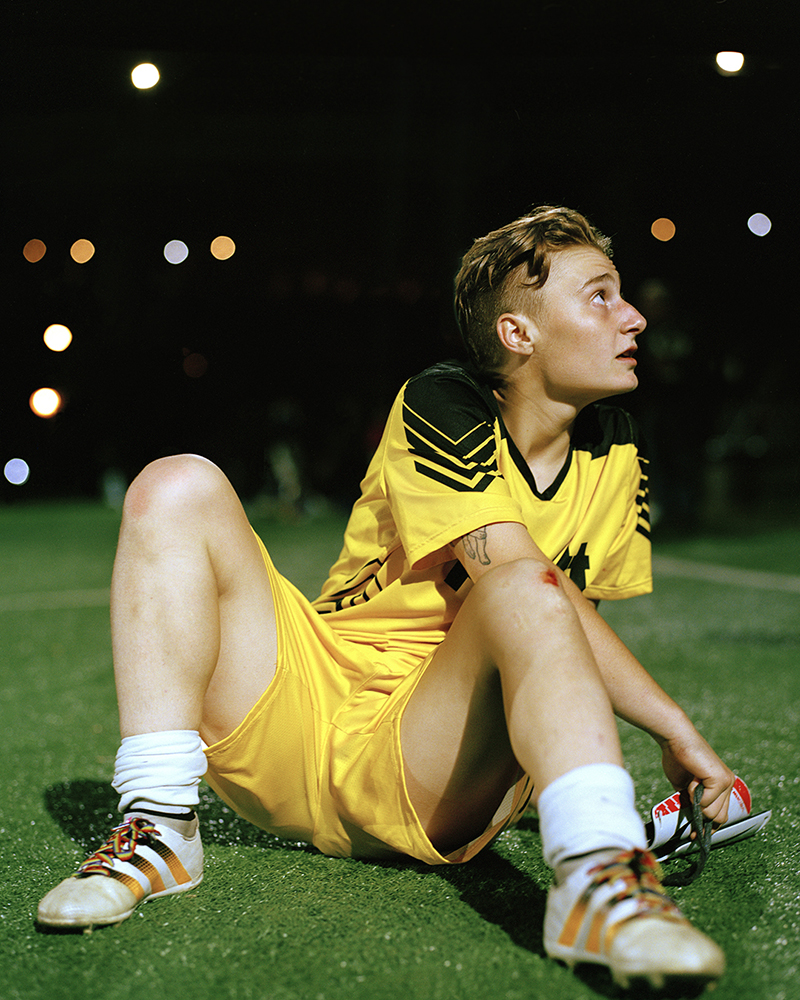
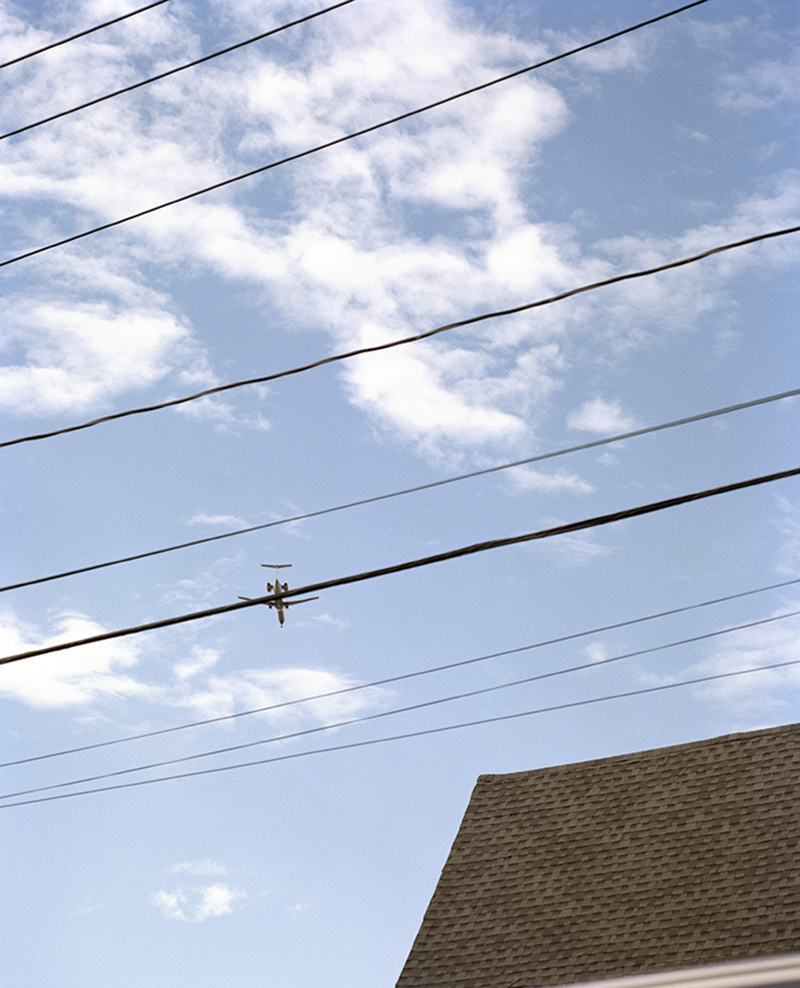
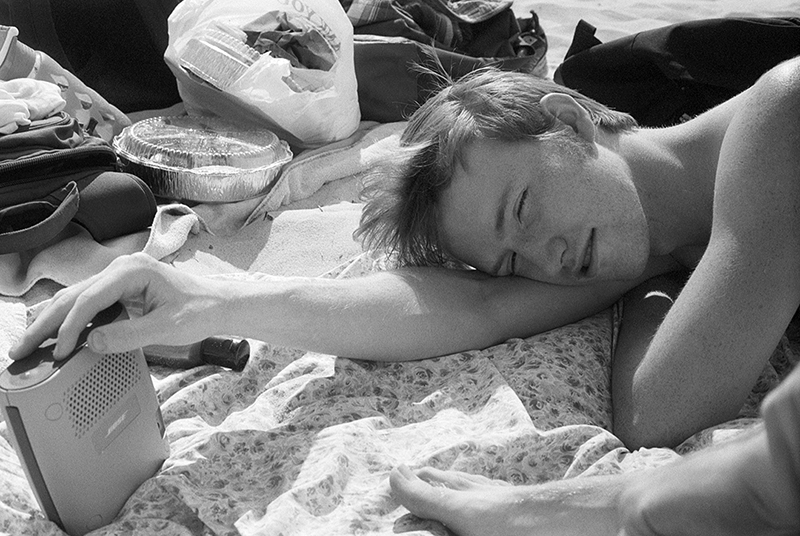
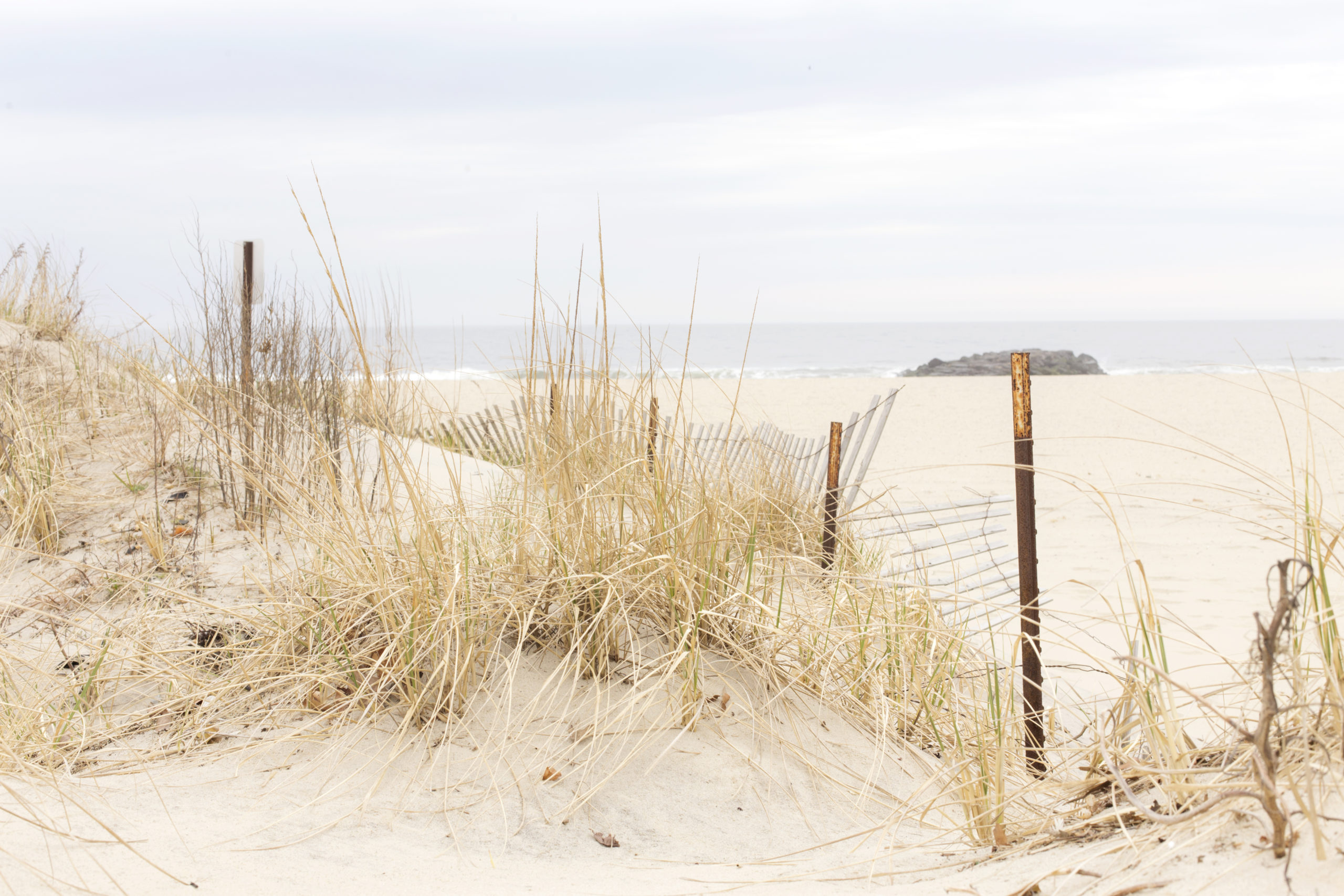
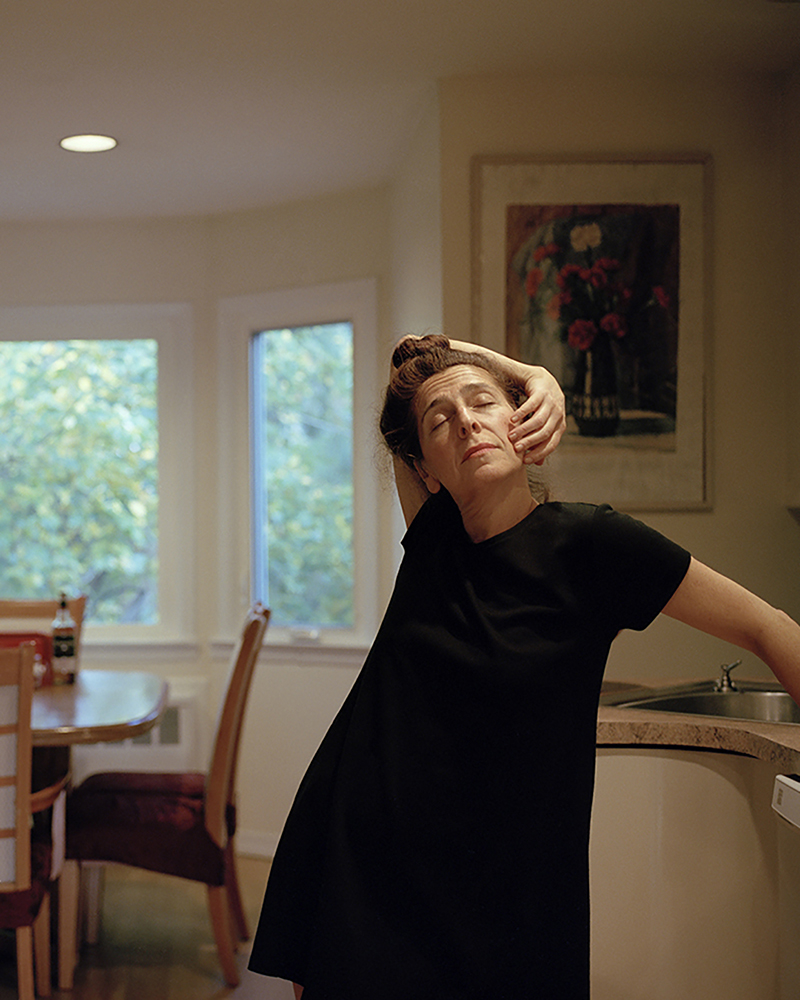
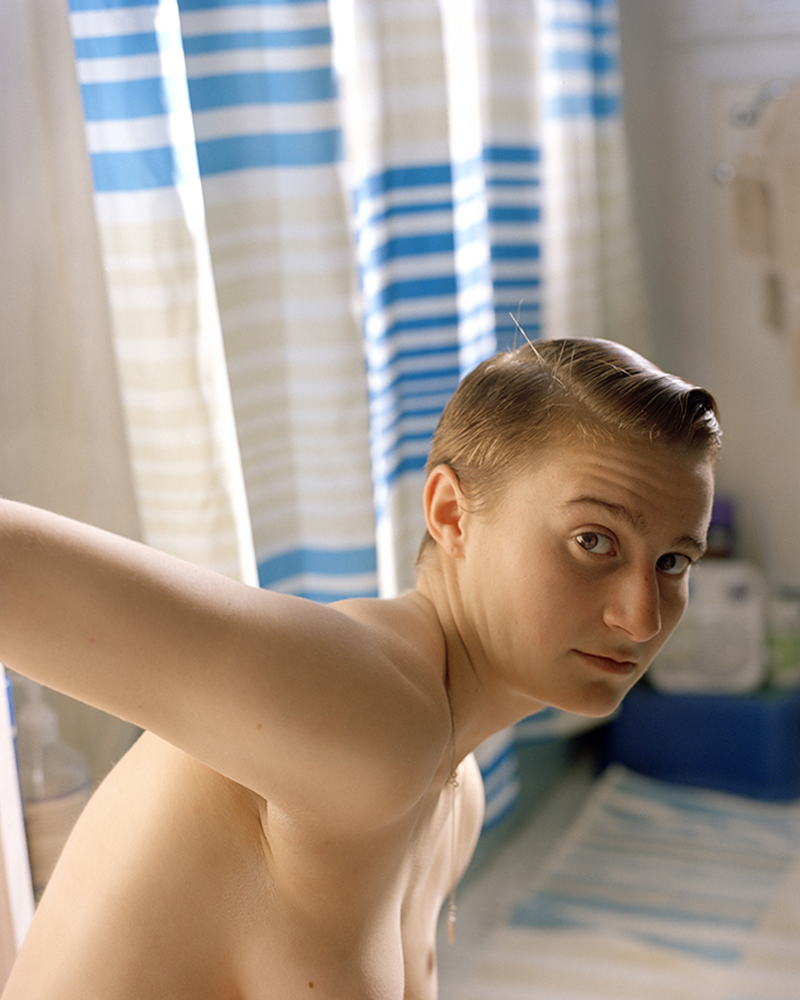
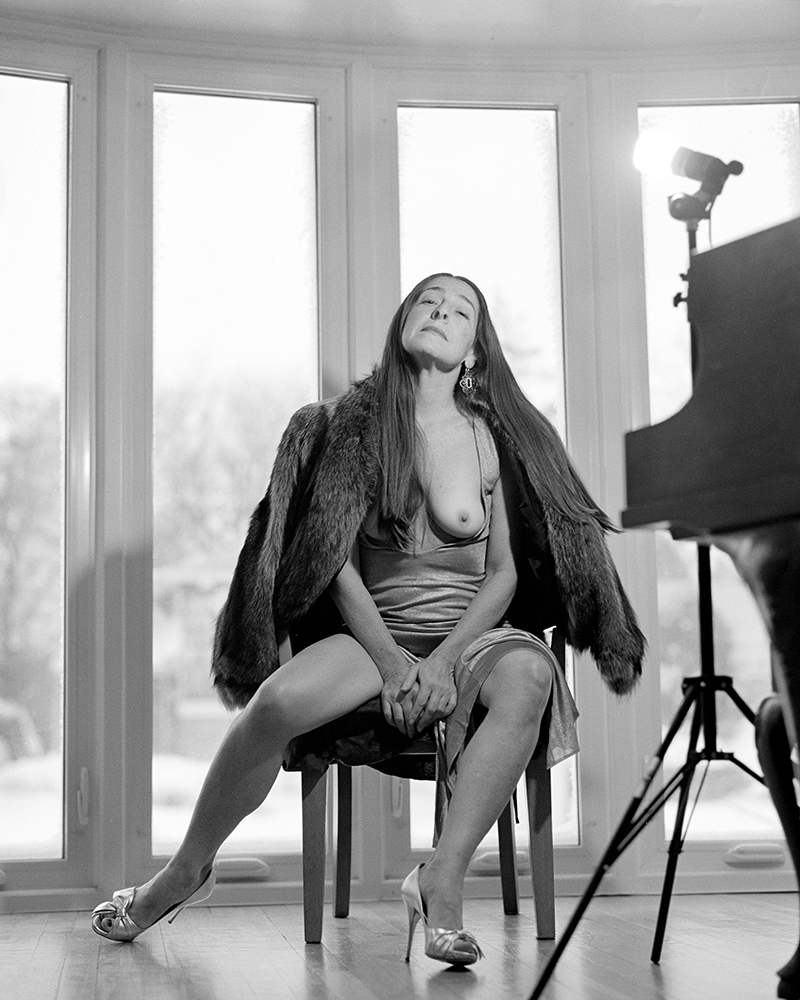
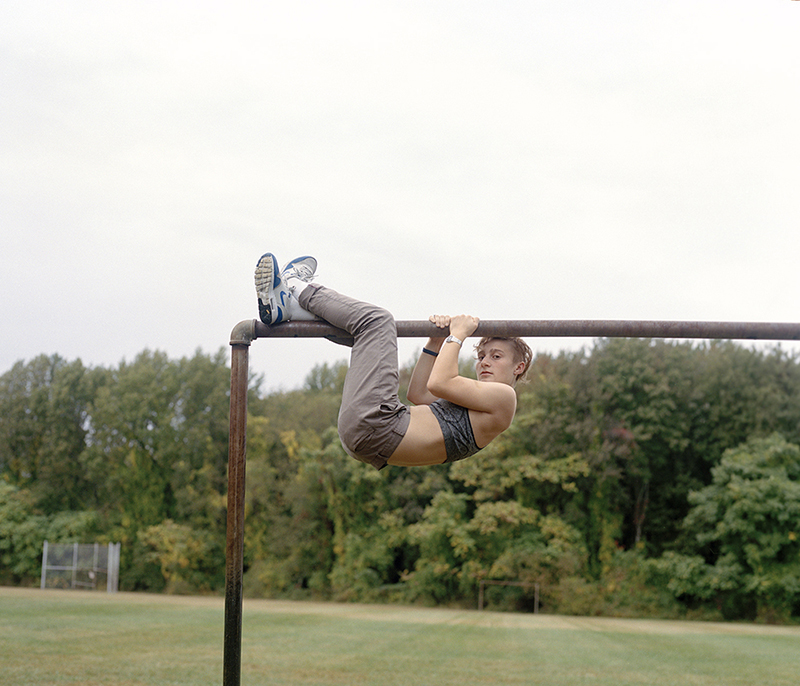
I started this series about two years ago, beginning on my fear of travel. As I wrote in my zine, that accompanies the series, I had to make the same trip numerous times before getting comfortable enough in my environment. So, I began with a trip to New Jersey, where my girlfriend’s family lives. I took the same train, back and forth, until my comfort found me. I documented my stays there and my time at my childhood home as somewhat of a comparison to find my balance of fear and serenity. As the series went on, I had a lot of self discoveries. I realized that being fully myself was definitely something that was a struggle for me. Another theme that runs through The Autonomous Woman is the appearance of femininity. I played with photographing my mother, a dancer, and my girlfriend who is an athlete. In my future work, discovering how I present myself in a world of gender normativity is what I would like to explore more deeply.
SS
You shoot a lot on medium format, is this because you like the aesthetic it produces? What is your photographic approach to your series?
DT
In high school, I was lucky enough to have a darkroom in which I learned how much I love to work with my hands. Knowing that after I shot the image, it wasn’t the end of my creative process, made me realise the potential for my work. While studying at Pratt, I really pushed to shoot film whether it be on 35mm, medium format or even taking a class in large format. The quality of the image on film brings out my intention. Recently having picked up a digital camera again, I try to push that standard for myself. In terms of my approach to The Autonomous Woman, I let my decisions come after the work is made. What I mean by that is, if I overthink why I’m shooting something, or planning a photograph, I take away the discovery that I want to happen organically. My favorite things to shoot are portraits though and having such wonderful subjects has made it a great deal better.
SS
You've taken lovely photographs of your mother and girlfriend. Why are these included in the series?
DT
I grew up with a mother who had a passion aside from her career. She is an Argentinian Tango Dancer who has always been so comfortable in her body. She never gave off negativity when it came to her image or self. I even remember as a kid, if I ever had anything bad to say about my appearance, her immediate reaction was, “but that quality came from me and we’re both beautiful.” I was and am very lucky to have had that openness. To me, she has always flaunted femininity, or what I thought being a strong female was growing up. I have since learned the flexibility of that word, 'feminine'. My girlfriend, who presents herself in a more androgynous way, has shown me femininity as well. What a beautiful woman can put forward is so powerful in her garb.
SS
Since this project is ongoing, when will you know its finished? What else are you wanting to explore?
DT
I list this series as ongoing because I do not feel it’s completion quite yet. I know that there will always be so much more to say with how I am developing in my travel anxiety, and how I view the women in my life; but I do feel that once my everyday life begins to mirror my intention in my artwork, then it will be complete. I have so many ideas that are at different stages currently. I am working on a long form essay of how I present myself and really pushing to find out where my femininity lies, as well as looking back into my family history and scanning old negatives.
SS
What does being a queer artist in 2020 mean for you?
DT
We have progressed so much in our society, completely outside of art. I think that queerness in art has always been so far ahead of its time. Being surrounded and well educated in the women that I stand with is so important to me. My community has never shied away from who they are and being able to grow up in a time now where we have trans models and LGBTQ+ presidential candidates is sometimes overlooked. In 2020, I am ready to be thankful for what we have already fought for and more fierce and outward about what we have yet to gain. As an artist in this time, I want to be able to give a voice to those that do not express theirs in the form of art.
SS
Who are some of your inspirations?
DT
I take my inspiration from all variations of art, whether it’s a musical artist, writer or photographer. I have looked up to Zanele Muholi for quite some time. Her book, Faces and Phases is incredibly powerful in it’s portraiture and text. She inspires me to go out of my comfort zone and photograph people who I might not know but might share a story with. The love and intimacy that she has in her work is like looking through a love letter that she wrote for these women, giving them a platform and a voice that they might not have had otherwise. Another person that I draw my inspiration from is Maggie Nelson. One of the first books that began to inspire The Autonomous Woman is The Argonauts, a story about gender theory, love, death and writing.
Delilah Twersky: And then there was, in this created being, the autonomous woman.

Delilah Twersky is a queer photographer currently based in NY who primarily shoots medium format film. In addition to her photography practice, Delilah writes poetry and short stories that push her visual work further.

Delilah’s work was on display at the 2019 ‘Every Woman Biennial’. She has been working on an ongoing body of work called, ‘And then there was, in this created being, the autonomous woman.’ This body of work is a journey of self-realisation of dependence and her experience with coming out as a queer woman.
SS
Delilah, I love your ongoing series on Autonomous Woman. Can you tell us a little about it and how it started?
DT
I started this series about two years ago, beginning on my fear of travel. As I wrote in my zine, that accompanies the series, I had to make the same trip numerous times before getting comfortable enough in my environment. So, I began with a trip to New Jersey, where my girlfriend’s family lives. I took the same train, back and forth, until my comfort found me. I documented my stays there and my time at my childhood home as somewhat of a comparison to find my balance of fear and serenity. As the series went on, I had a lot of self discoveries. I realized that being fully myself was definitely something that was a struggle for me. Another theme that runs through The Autonomous Woman is the appearance of femininity. I played with photographing my mother, a dancer, and my girlfriend who is an athlete. In my future work, discovering how I present myself in a world of gender normativity is what I would like to explore more deeply.
SS
You shoot a lot on medium format, is this because you like the aesthetic it produces? What is your photographic approach to your series?
DT
In high school, I was lucky enough to have a darkroom in which I learned how much I love to work with my hands. Knowing that after I shot the image, it wasn’t the end of my creative process, made me realise the potential for my work. While studying at Pratt, I really pushed to shoot film whether it be on 35mm, medium format or even taking a class in large format. The quality of the image on film brings out my intention. Recently having picked up a digital camera again, I try to push that standard for myself. In terms of my approach to The Autonomous Woman, I let my decisions come after the work is made. What I mean by that is, if I overthink why I’m shooting something, or planning a photograph, I take away the discovery that I want to happen organically. My favorite things to shoot are portraits though and having such wonderful subjects has made it a great deal better.
SS
You've taken lovely photographs of your mother and girlfriend. Why are these included in the series?
DT
I grew up with a mother who had a passion aside from her career. She is an Argentinian Tango Dancer who has always been so comfortable in her body. She never gave off negativity when it came to her image or self. I even remember as a kid, if I ever had anything bad to say about my appearance, her immediate reaction was, “but that quality came from me and we’re both beautiful.” I was and am very lucky to have had that openness. To me, she has always flaunted femininity, or what I thought being a strong female was growing up. I have since learned the flexibility of that word, 'feminine'. My girlfriend, who presents herself in a more androgynous way, has shown me femininity as well. What a beautiful woman can put forward is so powerful in her garb.
SS
Since this project is ongoing, when will you know its finished? What else are you wanting to explore?
DT
I list this series as ongoing because I do not feel it’s completion quite yet. I know that there will always be so much more to say with how I am developing in my travel anxiety, and how I view the women in my life; but I do feel that once my everyday life begins to mirror my intention in my artwork, then it will be complete. I have so many ideas that are at different stages currently. I am working on a long form essay of how I present myself and really pushing to find out where my femininity lies, as well as looking back into my family history and scanning old negatives.
SS
What does being a queer artist in 2020 mean for you?
DT
We have progressed so much in our society, completely outside of art. I think that queerness in art has always been so far ahead of its time. Being surrounded and well educated in the women that I stand with is so important to me. My community has never shied away from who they are and being able to grow up in a time now where we have trans models and LGBTQ+ presidential candidates is sometimes overlooked. In 2020, I am ready to be thankful for what we have already fought for and more fierce and outward about what we have yet to gain. As an artist in this time, I want to be able to give a voice to those that do not express theirs in the form of art.
SS
Who are some of your inspirations?
DT
I take my inspiration from all variations of art, whether it’s a musical artist, writer or photographer. I have looked up to Zanele Muholi for quite some time. Her book, Faces and Phases is incredibly powerful in it’s portraiture and text. She inspires me to go out of my comfort zone and photograph people who I might not know but might share a story with. The love and intimacy that she has in her work is like looking through a love letter that she wrote for these women, giving them a platform and a voice that they might not have had otherwise. Another person that I draw my inspiration from is Maggie Nelson. One of the first books that began to inspire The Autonomous Woman is The Argonauts, a story about gender theory, love, death and writing.
LOADING...